PCM Certification
The Standard for Safe Crisis Management
The Standard for Safe Crisis Management
Pivot Professional Crisis Management® (PCM) is Pivot’s flagship certification program on which all other offerings are built. Grounded in Applied Behavior Analysis (ABA), PCM provides a structured prevention and crisis management framework that helps teams recognize escalation, coordinate response, and intervene in ways that are effective, proportionate, and humane.
Pivot Professional Crisis Management® (PCM) is Pivot’s flagship certification program on which all other offerings are built. Grounded in Applied Behavior Analysis (ABA), PCM provides a structured prevention and crisis management framework that helps teams recognize escalation, coordinate response, and intervene in ways that are effective, proportionate, and humane.
How PCM Is Delivered
Strengthen Prevention & Crisis Response Readiness

Foundational Information


Immersive Skill Labs + Dynamic Holding™

Ongoing Certification
Step 1
Foundational Information

Instructor Introduction
Get a clear, practical overview of the certification process—requirements, onsite expectations, what to wear, physical participation guidelines, what to bring, and hygiene standards.
Introduction to Physical Interventions: Principles & Practices
Introduces the principles guiding safe, proportionate physical intervention—including personal safety techniques and crisis intervention procedures—with focus on decision-making and safety standards.
PCM Foundations
Introduces prevention, de-escalation, and reintegration practices, with practical strategies that can be applied immediately to support safer interactions and positive behavior.
Instructor Guidelines & Quality Assurance
Focuses on procedural review, error detection, and quality assurance, with emphasis on critical versus non-critical errors, adult learning principles, and instructional consistency.

What You’ll Learn:
 A framework built on behavioral science
Crisis recognition and prediction before escalation
Strategies that work from prevention through reintegration
Smarter resource use through better data
Hands-on procedures that make skills stick
Decision-making strategies for high-pressure situations
The PCM certification track begins with information designed to build a shared foundation of applied behavioral science, guiding principles, and conceptual understanding. This ensures every participant arrives at their Skill Lab informed, aligned, and prepared for hands-on practice.
Step 2
Immersive In-Person Skill Labs + Dynamic Holding™
Skill Labs are in-person and are the heart of PCM certification. This is where learners develop the muscle memory, confidence, coordination, and ethical precision needed to safely support individuals in crisis. This hands-on training builds fluency through practical application of procedures designed to protect dignity and well-being.

All Skill Labs Include:
Instructor demonstrations
Guided practice
Team coordination exercises
Real-time coaching and correction
Competency verification
Safety monitoring and ethical decision-making
Below is the complete breakdown of each Skill Lab category and its Dynamic Holding™ individual physical procedures:
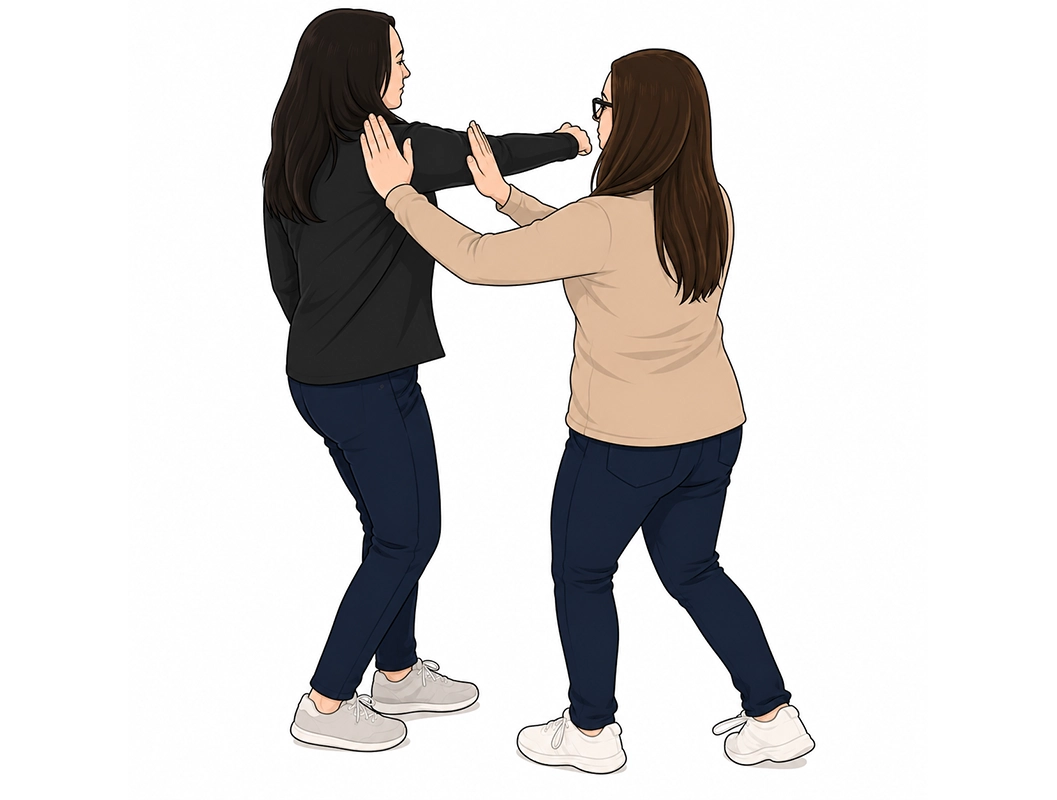
Personal Safety
Builds foundational skills for maintaining personal and environmental safety through positioning, movement, and awareness during escalating situations.
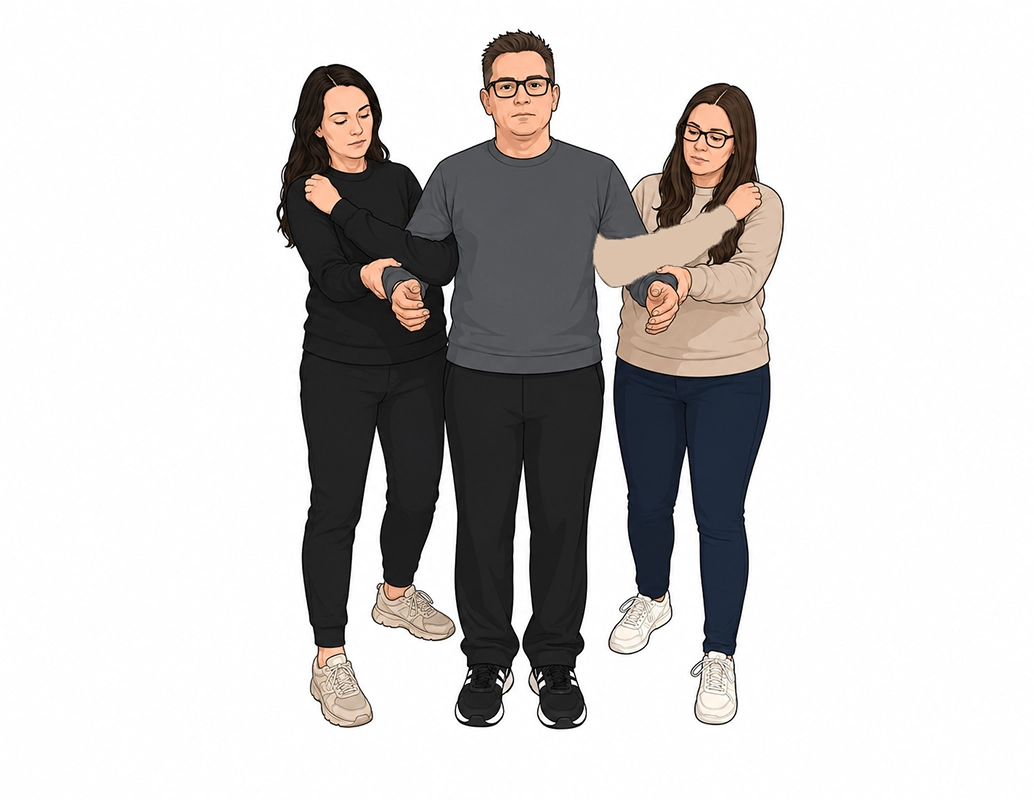
Transportation
Focuses on safe, coordinated movement to support transitions while maintaining control, balance, and safety for everyone involved.
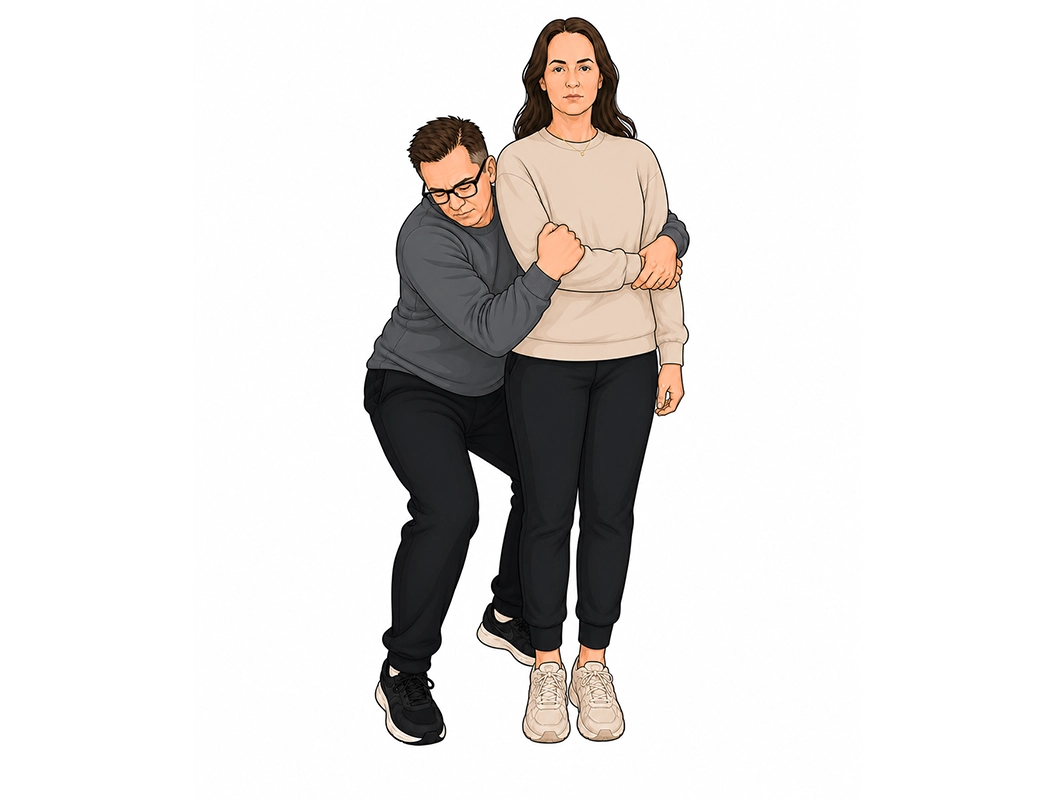
Vertical Immobilization
Introduces procedures for stabilizing an individual in an upright position when necessary, emphasizing safety, communication, and proportionate response.
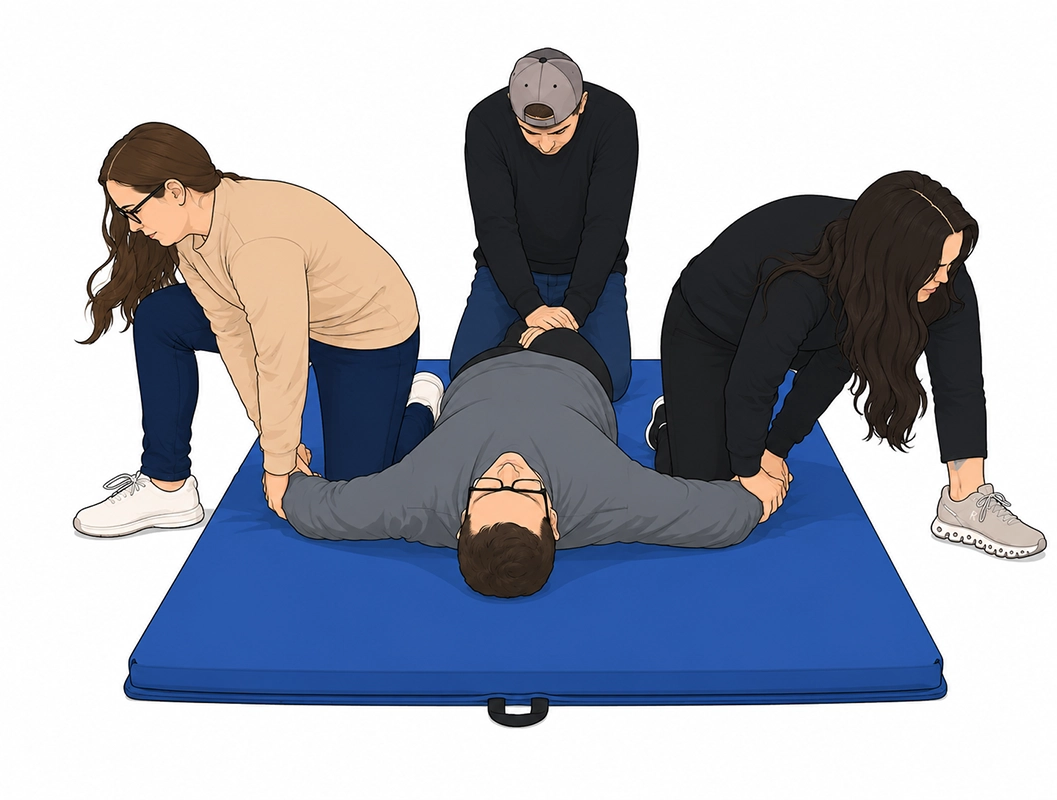
Supine Immobilization
Covers principles and procedures for brief, controlled stabilization in a face-up position, with attention to monitoring, positioning, and safety standards.
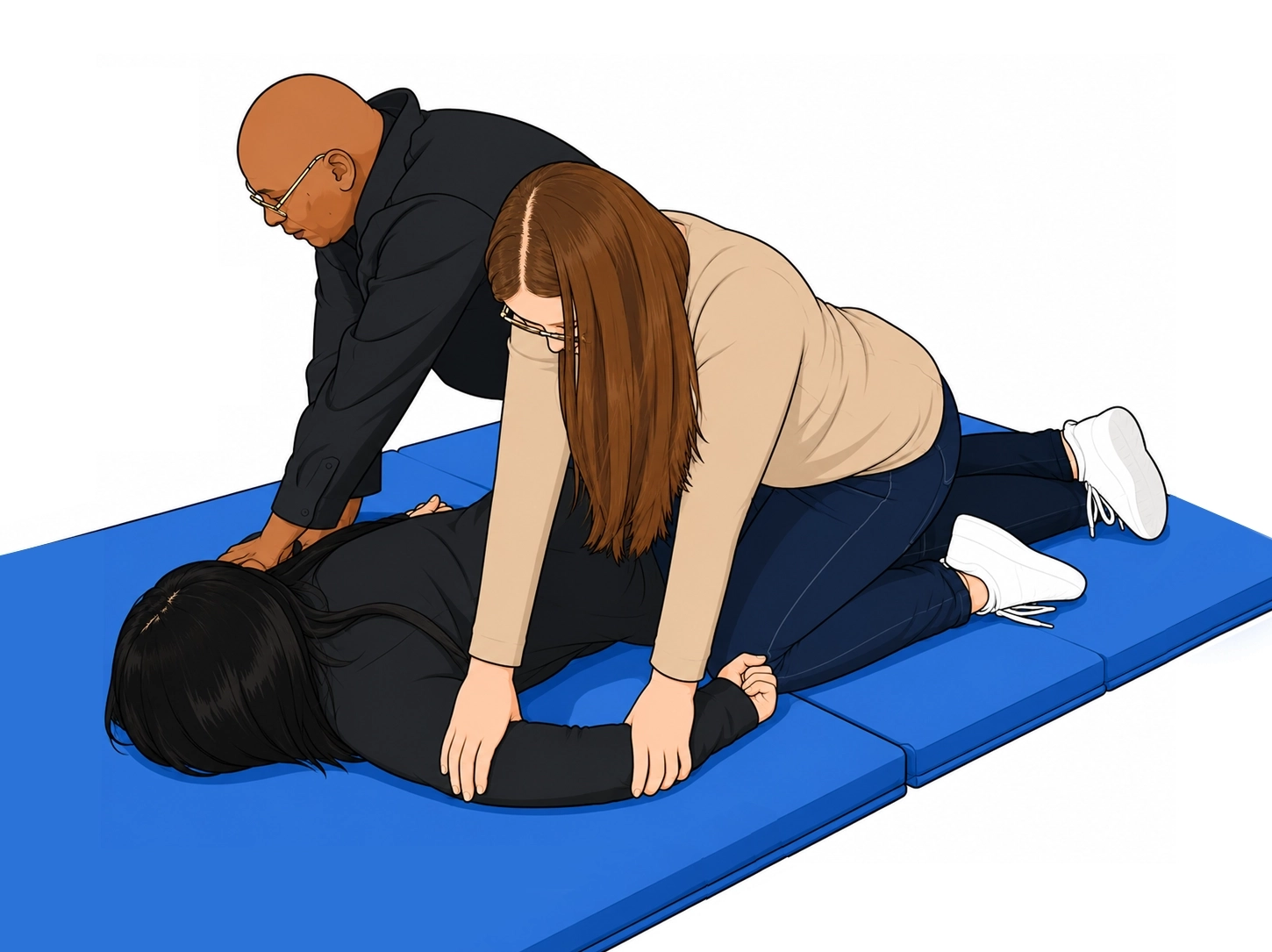
Prone Immobilization
Addresses the principles governing limited, controlled stabilization in a face-down position, with strict emphasis on risk awareness, duration, and safety protocols.
Step 3
Ongoing Certification
Instructors are trained to apply standardized evaluation criteria, verify performance, and certify others using the same expectations and safeguards required across Pivot programs.
Pivot’s Instructor Certification Equips Leaders To:
Train and certify practitioners up to their authorized PCM level
Conduct practitioner recertification
Maintain fidelity across teams and sites
Lead implementation efforts
Ensure compliance with PCM policies and safety standards
Serve as internal experts and crisis-support coaches
Instructor certification is not simply about knowing how to perform the skills; it involves learning how to teach, model, correct, and evaluate them
with precision.
PCM Certification Tiers
Associate
Prevention-focused instruction supporting de-escalation, reintegration, and positive behavior—without physical intervention.
Practitioner
Hands-on instruction supporting transportation, personal safety, and physical interaction skills—with progressive immobilization authorization by level.
Instructor
Advanced instruction supporting the full scope of PCM skills, including immobilization—with the highest level of rigor and oversight.

Train the Trainer. Multiply the Impact.
Instructor Certification
Instructors are trained to apply standardized evaluation criteria, verify performance, and certify others using the same expectations and safeguards required across Pivot programs
Pivot’s Instructor Certification Equips Leaders To:
- Pivot’s Instructor Certification Equips Leaders To:
- Train and certify practitioners up to their authorized PCM level
- Conduct practitioner recertification
- Maintain fidelity across teams and sites
- Lead implementation efforts
- Ensure compliance with PCM policies and safety standards
- Serve as internal experts and crisis-support coaches

Instructor certification is not simply about knowing how to perform the skills; it involves learning how to teach, model, correct, and evaluate them with precision.
Popular Articles

News & Industry Trends
PCMA to Pivot: What the Rebrand Means for Your Organization
By Pivot Editorial Team

Classroom Behavior & Teaching
Before You Walk Away: What Every Struggling Teacher Deserves to Know
By Pivot Editorial Team

Crisis Prevention & Management
When De-Escalation Breaks Down: What 303 Crisis Professionals Revealed
By Pivot Editorial Team
Frequently Asked Questions
View All FAQsPivot offers certification pathways including Professional Crisis Management® (PCM), Everyday Behavior Tools™ (EDBT), and instructor-led certifications.
Fluency means skills can be demonstrated consistently and accurately over time, not just understood conceptually.
Yes. Certification includes evaluation, verification, and quality standards beyond course completion.
Practitioners apply skills within their role, while instructors are also authorized to train and certify others within their organization.
Through standardized curriculum, objective performance criteria, instructor certification, and quality assurance.
The Instructor Training Schedule is available here. On this page you will find upcoming training dates, times, and any additional details you need to plan your certification.

Why Clients Rely on Us
At Pivot, we partner with every client to build safer, more supportive environments.


Deborah B.
PCM is a very useful system that integrates crisis management into a complete training that focuses on the cycle of behavior. Avoiding crisis and de-escalating a situation are both significantly emphasized. It’s obvious how much thought and organization went into the development of this training.
Mathew M.
PCM is a fantastic system for managing crisis behavior. I really enjoy the how heavily they promote preventative procedures.
Ashley T.
Excellent program and crisis management system. I appreciate so much the focus on positive relationships, client dignity, safety, and emphasis on preventative measures.